
Key Ways to Stop Wage Garnishment in Ohio Fast
When you have overwhelming debt, the creditor could sue and get a court order for paycheck garnishment. This garnishment order will deduct your wages from your credit card/bank account to repay the debt you have collected. If you are already entangled in financial problems, wage garnishment adds insult to injury.
While repaying your debt in full is one of the best options to get rid of wage garnishments, it may not always be possible. Instead, there are other legal paths you can take to stop your earnings from getting cut off.
In 2025, a central Ohio hospital sued nearly 3,000 patients, which led to wage garnishment. [1]
What Are Your Options to Stop Wage Garnishment?
There are three ways to stop your paycheck’s deduction according to Ohio state laws. You can opt for bankruptcy, which can create an automatic stay for court orders. You can file for exemptions if you qualify under federal minimum wage laws.
The court can stop the garnishment order. Or you could negotiate a settlement and repay the various types of debt.
The following are the options you have under Ohio state laws:
File for Bankruptcy
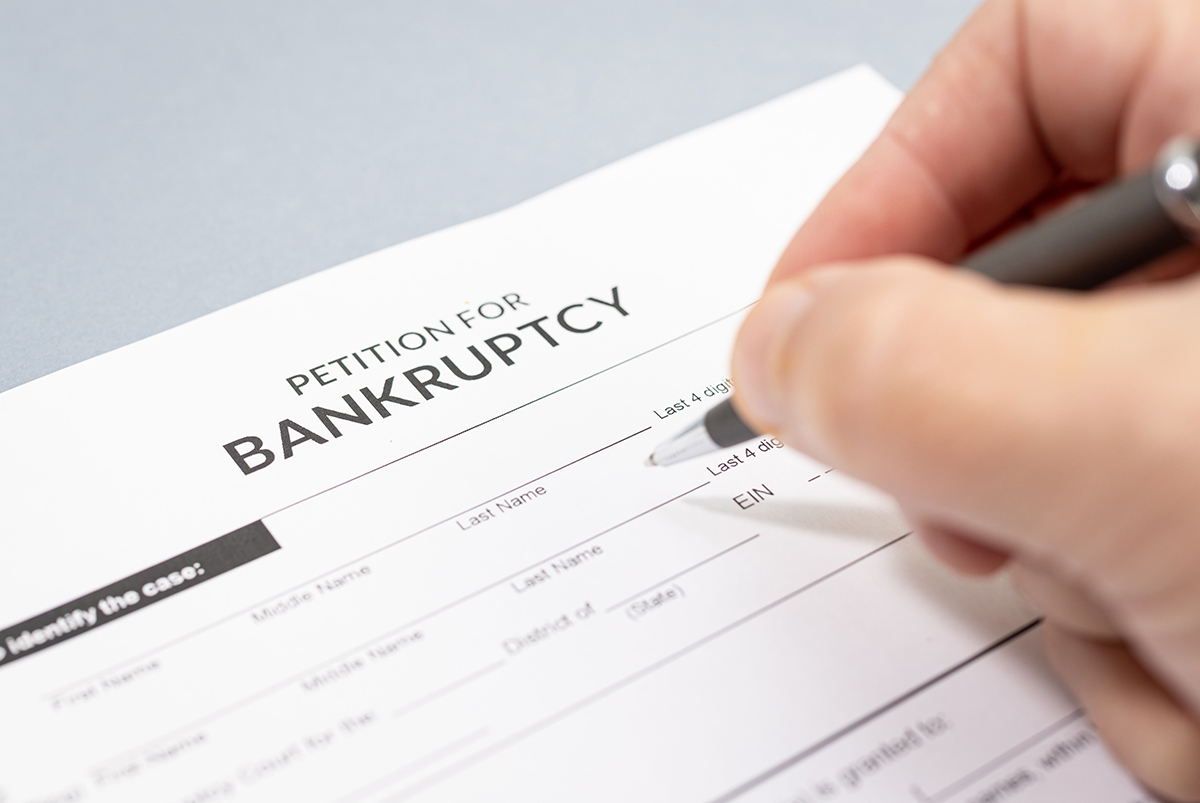
One of the quickest ways you can stop garnishment orders is by filing for bankruptcy. Specific chapter types that are ideal to stop your payroll deduction include Chapter 7 Bankruptcy and Chapter 13. Each of these types can help you with a payment plan to repay the debt and stop the deductions immediately.
Here are the key factors about each type:
- Chapter 7 Bankruptcy: Liquidation bankruptcy that sells your assets or business to repay debts. Puts an automatic stay on any debt collection efforts, including medical debts, credit card payments, etc.
- Chapter 13 Bankruptcy: A repayment plan for individuals with stable income. Puts an automatic stay and provides a repayment plan lasting 3-5 years. These repayment plans can include unsecured debts, i.e., credit card or medical debts, as well.
Depending on the type of bankruptcy you file for, the bankruptcy court will trigger an automatic stay. This will stop all garnishment orders and debt collection. However, the type of bankruptcy that suits your needs is more important to identify.
File an Exemption
You can file for exemption under Ohio laws to rid yourself of wage garnishment. These exemptions can halt debt collection efforts or reduce them significantly, based on disposable income. Filing for an exemption is quite straightforward.
You can opt for the following options:
- Head of Household: This is a federal statute that applies to unmarried individuals and allows 50% of the financial support for a qualifying dependent (someone with low disposable income). It offers tax benefits and provides wage protection exemptions from creditors. Ohio Revised Code – Section 2329.66
- Homestead Exemption: This exemption is for those who are 65 or older and have an annual income of $38,000 – $40,000. This usually applies to permanently disabled persons, disabled veterans, and surviving spouses of public safety personnel.
- Ohio Personal Exemption: This Ohio law allows taxpayers to claim an additional personal exemption. You can file an exemption of $1,900 to $2,400, depending on your income level. If you have a very low or minimum income, then you may qualify for the full exemption. Ohio Revised Code – Section 5747.025
Filing for any of these exemptions can stop the seizure of your pay. Talk to our bankruptcy attorney about wage garnishment before you opt for any of these exemption types.
Negotiate a Settlement or Repay The Debt
You have the legal right to get in touch with your creditor directly and set up a settlement or payment plan. Based on your income, you can negotiate a settlement that is lower than the amount of the garnishment order.
If you have any other way of repaying the debt in full, that is always the best choice. Many debtors opt to get rid of debts immediately by selling valuables, such as property or belongings.
Legal Actions You Can Take to Stop Garnishment
If you think your creditor has treated you unfairly by imposing harsh wage garnishment, then you can take them to court with the help of a bankruptcy lawyer. The court can schedule a hearing, in which both parties can negotiate to come to an agreeable term.
Here are the legal steps you can take to stop salary withholdings:
1. Credit Counseling: Credit counseling is one of the quicker ways to halt wage garnishment by negotiating a DMP (Debt Management Plan). This is not instant, and creditor approval is needed before the court-ordered seizure of wages is lifted.
2. File Your Objection: You can skip the credit/debt counseling (not recommended) and file an objection with the court within the given time frame. Generally, you will be served a 15-day letter to respond and file an objection, aka a request for hearing or claim of exemption.
3. Scheduled Hearing: You must attend the court-scheduled hearing, as this is a key step in negotiation with your creditor. If a settlement is reached, then the court will require a repayment plan and order the creditor to stop any debt collections.
4. Request A Trustee: You will have to request the appointment of a trustee to manage your payment. This will also require notifying the creditors of the granted court documents. Once the court judgment is given and all involved parties are satisfied, your repayment plan will begin while effectively stopping paycheck deductions.

Which Wage Garnishment Elimination Option is Best For You?
This depends on which option seems quicker and more plausible to you. If the creditor refuses any sort of hearings or negotiations, then filing for bankruptcy is the only way to put an immediate stop to wage garnishment. Consider all your options carefully, and consider debt counseling before making your decision.
If you are troubled by unfair wage garnishment, Richard West Law Offices can guide you. Call 937-748-1749 today for a free wage garnishment consultation.
Frequently Asked Questions (FAQs)
Usually, the timeline of wage garnishment depends on the amount of debt. Until the debt amount is paid, the wage garnishment will continue. If you take immediate action, it still may take around 10-15 business days to halt the recollection efforts, including filing objections or bankruptcy to put automatic stays.
You will have to complete the “Request for Hearing” form as well as the “Notice to Judgment Debtor” letter from the court. You will have to file it with the Clerk of Courts within 15 days of receiving the notice. Once a scheduled hearing notification is received, you must attend the hearing.
Once you file for bankruptcy, including Chapter 7 Bankruptcy or Chapter 11, the petition will trigger the automatic stay. Under federal laws, this injunction means creditors cannot pursue debts through wage garnishment orders or any other collection efforts. 11 U.S.C. § 362
Consumer Credit Protection Act (CCPA) can help by limiting specific debt or payments, i.e. credit card debt. It helps protect credit score while repaying secured loans, and minimizing unsecured loans, such as medical bills.
Depending on your case, you may be able to negotiate payment to avoid garnishment orders or discharge debt altogether. This may include medical debt, child support, credit card debt, student loan debt, and various other types of personal loans.
Source:
[1] Central Ohio hospital suing thousands of patients, garnishing wages for unpaid bills. (2025, November 14). WSYX. https://abc6onyourside.com/on-your-side/6-on-your-side/central-ohio-mary-rutan-hospital-bellefontaine-suing-thousands-of-patients-garnishing-wages-for-unpaid-bills-medical-debt-surprise-billing-insurance-municipal-court-lawmakers-legislation