
Overcoming Medical Debt Challenges in Springboro
Residents of Springboro experience a financial burden due to increasing healthcare costs. An unexpected medical emergency can strike anyone at any time. A study conducted in Ohio reveals: [1]
- In the past year, more than two-thirds (69%) of individuals faced at least one instance of struggling with healthcare affordability.
- 4 in 5 people (80%) are concerned about their ability to afford healthcare in the future.
From understanding your bills to leveraging resources right here in Springboro and across Ohio, you can take control of your financial health and create a viable recovery plan.
Understanding Your Medical Debt and Its Ripple Effects
The reality for many people in Springboro is that healthcare is expensive. An unforeseen illness, a sudden accident, or a chronic condition can quickly lead to a pile of bills that even well-prepared families struggle to manage.
These costs aren’t just numbers on a page; they represent a significant pressure on your household’s stability, affecting everything from daily budgeting to long-term financial goals.
Managing debt of this nature requires a proactive and informed approach, starting with a clear understanding of what you’re facing. You must understand its components and consequences. Medical debt is unique because it’s rarely a choice. It arrives without warning and can quickly spiral, impacting more than just your bank account.
Decoding Your Medical Bills: What to Scrutinize
The first step in taking control is to meticulously review every medical bill you receive. These documents are notoriously confusing and often contain errors. Don’t assume they are correct. Request an itemized statement from the provider that details every single charge.
Look for duplicate charges, services you didn’t receive, or billing codes that seem incorrect. Question everything. A simple phone call to the hospital’s billing department for clarification can sometimes result in a significant reduction if errors are found. This initial diligence is a critical part of managing debt effectively.
The Impact of Medical Debt on Your Financial Health
Unpaid medical bills can have far-reaching consequences for your financial well-being. Once a bill goes to debt collectors, it can be reported to the major credit bureaus. It can significantly lower your credit score, making it harder and more expensive to secure loans for a car, a home, or even to get a new credit card.
A damaged credit report can follow you for years, affecting interest rates and financial opportunities. Therefore, addressing medical bills before they reach collections can help protect your long-term financial health.

Immediate Steps: Taking Control of Your Medical Debt
Ignoring medical bills only worsens the situation. Taking immediate, strategic action can prevent debt from escalating and set you on a path toward resolution. Here’s the foundation of your financial recovery plan.
Don't Pay Without Questioning: Negotiating with Providers
Healthcare providers are often more willing to negotiate than you might think. Before paying anything, contact the billing department. Explain your financial situation honestly. Many hospitals have financial assistance or charity care programs you may qualify for.
You can also ask for a discount for paying a lump sum upfront or inquire about the lower rate offered to insured patients if you are uninsured. Never accept the first bill as the final word. Negotiation is a powerful tool.
Establishing Manageable Payment Plans
If you cannot pay the full amount, even with a discount, ask to set up a manageable payment plan. Most providers prefer to receive small, consistent payments rather than nothing at all. Propose a monthly payment amount that you can realistically afford without jeopardizing your other essential expenses.
Review your bank statements to understand your cash flow and determine a sustainable figure. Getting an interest-free payment plan in writing prevents the account from being sent to collections and gives you breathing room.

Practical Financial Tracking: Your First Recovery Plan
Creating a simple budget is the cornerstone of your personal recovery plan. Analyze your income and expenses to see where your money is going. It helps you identify funds that can be redirected toward your medical bills and manage any co-existing credit card debt more effectively.
This first-time plan isn’t about drastic cuts; it’s about gaining clarity and control. Knowing your financial landscape empowers you to make informed decisions and negotiate with confidence.
Exploring Formal Debt Relief Solutions in Springboro
When direct negotiation and payment plans aren’t enough to resolve overwhelming medical debt, formal solutions can provide the structure and support you need.
Professional Credit Counseling
Reputable non-profit credit counseling agencies offer invaluable guidance. A certified credit counselor can review your entire financial situation, help you create a detailed budget, and outline your options. ‘
They can act as your advocate, providing expert advice on how to best approach your medical debt. For Springboro residents, finding an accredited agency is a vital step toward developing a formal recovery.
Debt Management Plans
A credit counseling agency may suggest a Debt Management Plan (DMP). While typically used for credit card debt, some DMPs can incorporate medical debt. Under a DMP, you make one monthly payment to the counseling agency, which then distributes the funds to your creditors on your behalf, often at a lower interest rate. This simplifies your payments and provides a clear timeline for becoming debt-free.
Protect Yourself From Creditor Harassment
When medical bills go to collections, it’s essential to know your rights under the Fair Debt Collection Practices Act (FDCPA). This law stops collectors from using abusive tactics, such as harassment, unreasonable calls, or misrepresenting your debt. You can request written proof of the debt. Knowing these rights helps you handle collectors effectively and report any violations. [2]
Bankruptcy as a Last Resort
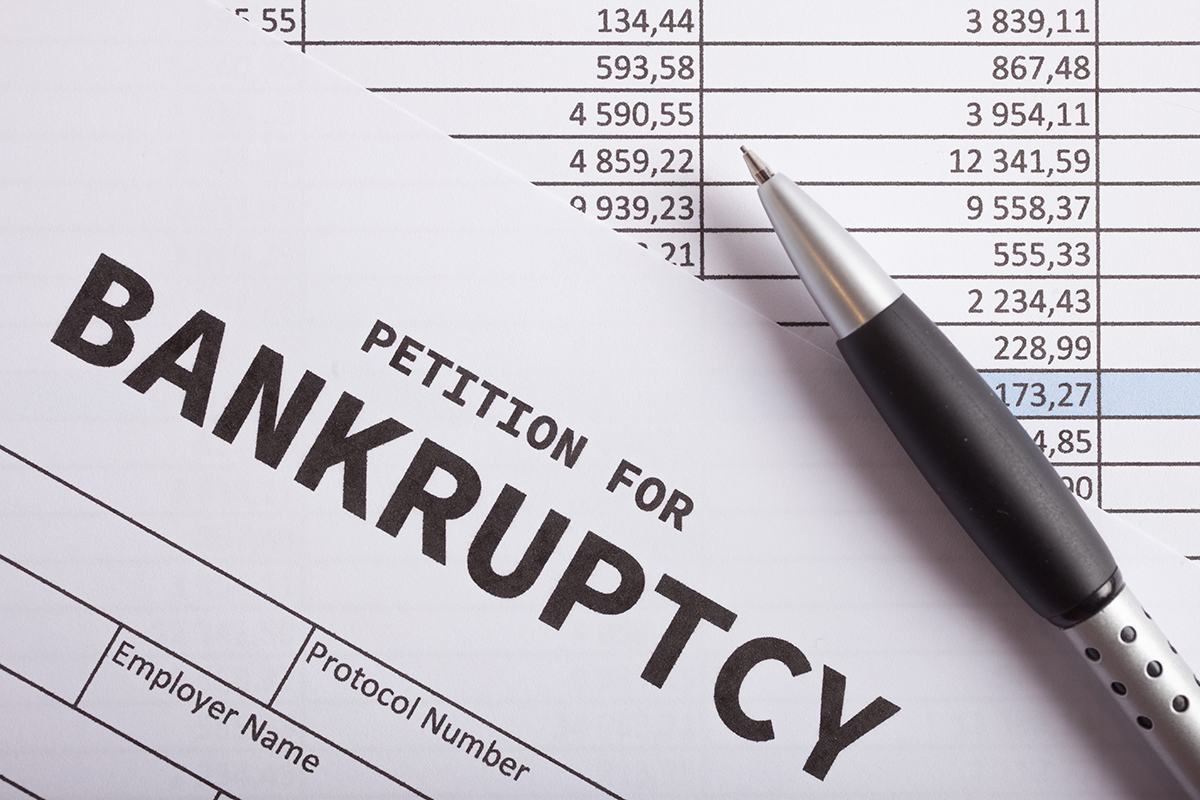
For some, medical debt can become so catastrophic that even the best-laid plans are insufficient. In such cases, bankruptcy may be a last-resort option. Filing for Chapter 7 or Chapter 13 bankruptcy can eliminate or restructure medical debt, providing a fresh financial start.
However, this is a significant legal step with long-term consequences for your credit report. It should only be considered after consulting with a qualified bankruptcy attorney to fully consider the implications.
Leveraging Local and State Resources in Ohio for Medical Debt Relief
Residents of Springboro have access to a network of local and state-level resources designed to provide support, protection, and oversight. Montgomery County offers various debt relief services that may be able to help with financial hardship, potentially freeing up funds to address medical costs.
Programs like Medicaid cover medical bills for low-income individuals and families, including hospital care, pharmacy, physician services, nursing home costs, day care, personal care, mental health, and substance abuse treatment. [3]
Proactive Strategies for Mitigating Future Medical Expenses
To avoid future medical debt, it’s essential to be proactive. Thoroughly review your health insurance options during open enrollment each year to ensure your coverage meets your family’s needs. Understand your deductible, copayments, and out-of-pocket maximums.
Consider opening a Health Savings Account (HSA) if you have a high-deductible plan, as it allows you to save pre-tax dollars for medical expenses. Being an informed healthcare consumer is your best defense against future financial hardship. This includes understanding potential costs before a procedure and always advocating for your financial health.
In Springboro, unexpected medical emergencies or necessary treatments can lead to substantial bills. Knowing the typical sources of these debts and how they accumulate can help you deal with them effectively.
If you are struggling with unmanageable medical debt, consider reaching out to the bankruptcy attorney at Richard West Law Office in Springboro.
Sources:
[1] Ohio Survey Respondents Struggle to Afford High Health Care Costs; Worry about Affording Health Care in the Future; Support Government Action Across Party Lines – Healthcare Value Hub. (2024, December 1). https://healthcarevaluehub.org/chess-state-survey/ohio/2024/ohio-survey-respondents-struggle-to-afford-high-health-care-costs-worry-about-affording-health-care-in-the-future-support-government-action-across-party-lines/
[2] Protect Consumers from Illegal Medical Debt Collection – Reject H.J. Res. 220 – NACA. (n.d.). NACA. https://www.consumeradvocates.org/news/protect-consumers-from-illegal-medical-debt-collection-reject-h-j-res-220/
[3] Montgomery County Maryland. (n.d.). https://www.montgomerycountymd.gov/HHS-Program/Program.aspx?id=CYF/CYFMAPgm-p424.html