Identify the Mistakes on Your Credit Report
Your credit score is more than just a number; it’s a critical component of your financial identity that influences everything from loan approvals to insurance rates. Yet, this vital score is built upon data that can be surprisingly fragile. Errors on your credit report, ranging from simple typos to fraudulent accounts, are alarmingly common.
Nearly half of credit reports have errors. [1] These inaccuracies can silently sabotage your financial goals by lowering your credit score, leading to higher interest rates or outright application denials. Protecting your financial health begins with understanding how to find, fight, and prevent these errors.
Master the Art of Error Detection: What to Scrutinize on Your Reports
Becoming proficient at reviewing your credit report is a skill. It requires knowing where to look, what to look for, and how to identify information that seems out of place.
Preparing for Your Review: Gathering All Your Credit Reports
Your first step is to obtain a copy of your credit report from each of the three major credit bureaus. Lenders and creditors may report to one, two, or all three, meaning an error might appear on one report but not the others. A comprehensive review requires checking all three to get a complete picture of your credit history.
Deciphering Your Credit Report: Key Sections and What They Mean
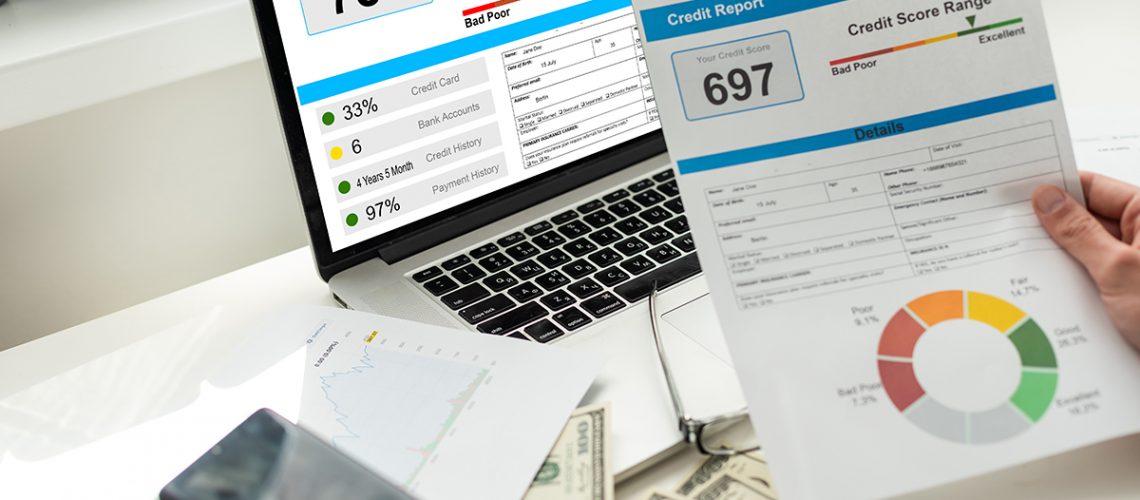
A standard credit report is divided into several key sections:
- Personal Information: The personal information section of your credit report includes your name, addresses, Social Security number, and employment history.
- Credit Accounts: The credit accounts section provides a detailed list of your credit cards, loans, and mortgages, including balances, credit limits, payment history, and account statuses (open/closed).
- Credit Inquiries: A record of who has accessed your credit file. “Hard inquiries” from a credit application can slightly lower your score, while “soft inquiries” (like your own checks) do not.
- Public Records: The public records section includes information such as bankruptcies or liens.
Common Credit Report Errors and How to Spot Them
Vigilance is key to spotting common credit reporting errors. The Federal Trade Commission (FTC) has found that one in five people has an error on their report. [2]
Look specifically for:
- Accounts you don’t recognize.
- Incorrectly reported late payments.
- Duplicate accounts are listed multiple times.
- An incorrect credit limit or balance on a credit card.
- Closed accounts that are still reported as open.
- Inaccurate account ownership (e.g., being listed as the primary user on an account where you are only an authorized user).
Recognizing the Signs of Identity Theft
Some errors are more than just clerical mistakes; they are clear signs of identity theft. Be on high alert for unfamiliar addresses, credit applications you didn’t submit, or accounts you never opened. These identity errors are serious and require immediate action, not only to correct your credit file but also to secure your personal information.
Errors You Might Miss at First Glance
Beyond the obvious, look for subtle inaccuracies. These can include old hard inquiries that should have aged off your report (typically after two years), minor discrepancies in account balances, or a slightly misspelled name or old address. While seemingly small, these details can sometimes cause issues with automated underwriting systems.
Why Credit Report Errors Matter
Credit report errors are not just minor administrative issues; they are direct threats to your financial well-being. An inaccurate entry can have immediate and long-lasting consequences, making proactive monitoring an essential financial habit.
The Hidden Impact of Credit Report Errors on Your Credit Score
Your credit score is calculated based on the information in your credit report. A single credit reporting error, such as a falsely reported late payment or an incorrect credit limit, can have a negative impact.
For instance, an incorrect credit limit can artificially inflate your credit utilization ratio, a key factor in credit scoring models. Accounts that aren’t yours, especially if they carry high balances or a history of missed payments, can drastically lower your scores, making it harder and more expensive to secure future credit.
Why Proactive Vigilance is Your Best Defense Against Credit Report Inaccuracies
Waiting until you are denied a credit application to check your credit report is a reactive and costly mistake. The repercussions of credit report errors often surface at the worst possible moments.
Proactive vigilance means regularly reviewing your credit file from all three major credit bureaus- Experian, TransUnion, and Equifax. They allow you to catch inaccuracies early, dispute them promptly, and prevent them from damaging your credit history before you need to rely on it for a major purchase like a home or car.
The Legal Shield Protecting Your Credit
You are not powerless against credit report errors. Federal law provides a strong framework of consumer protections designed to ensure accuracy and fairness in credit reporting.
The Fair Credit Reporting Act (FCRA): Your Foundation for Accuracy
The Fair Credit Reporting Act (FCRA) is the cornerstone of your consumer rights. This federal law grants you the right to an accurate credit report. It mandates that credit reporting agencies and the entities that furnish them with information are responsible for correcting inaccurate or incomplete data. Importantly, the FCRA gives you the legal right to dispute any information in your credit file you believe is wrong.
How to Access Your Free Credit Reports from All Three Bureaus (Experian, Equifax, TransUnion)
Under federal law, you are entitled to a free copy of your credit report from each credit reporting company every 12 months. The official, centralized source to request these is AnnualCreditReport.com.
Due to the high volume of consumer complaints about credit reporting, which increased by 182% from 2023 to 2024, it is more critical than ever to take advantage of this right. [3]
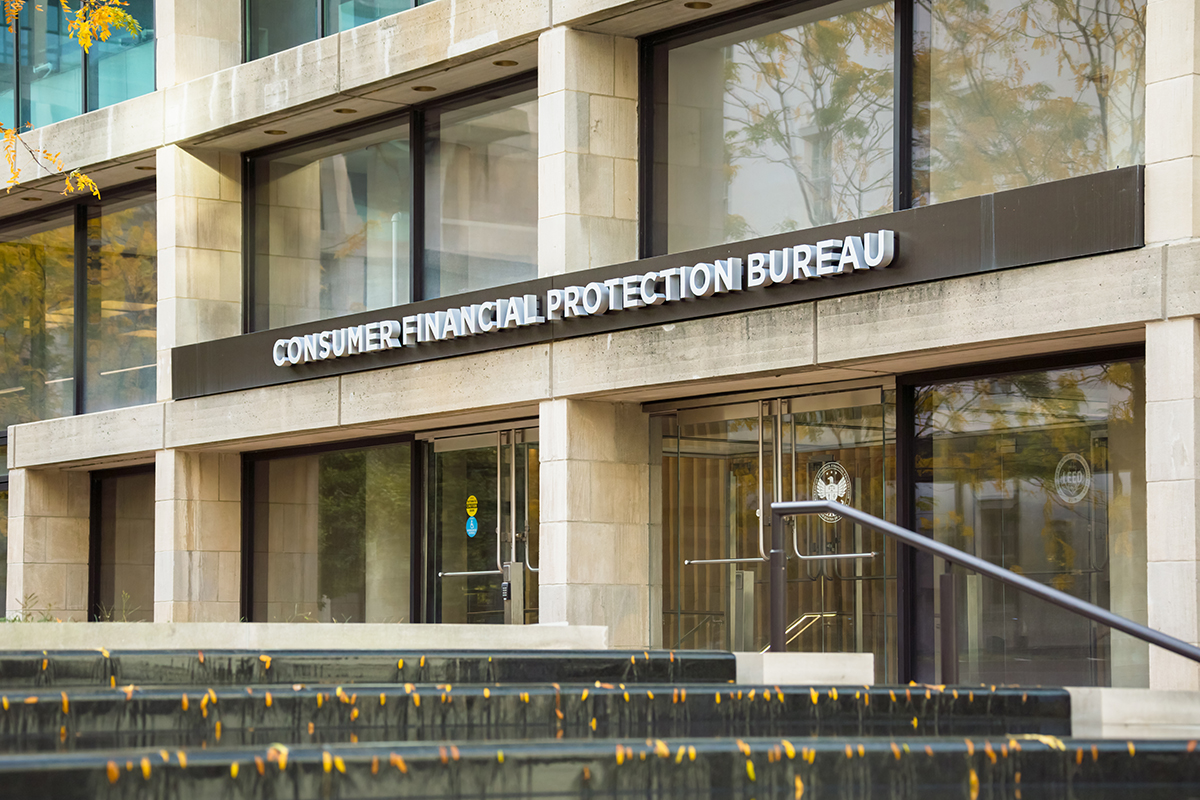
The Consumer Financial Protection Bureau (CFPB) and Federal Trade Commission (FTC)
Two key federal agencies serve as your advocates. The Consumer Financial Protection Bureau (CFPB) supervises credit bureaus and accepts consumer complaints when disputes are not handled properly. The Federal Trade Commission (FTC) works to stop unfair and deceptive business practices, including those related to credit reporting and identity theft.
The Step-by-Step Guide to Disputing Errors Effectively
When you find an error, a structured and well-documented approach to the credit dispute process is necessary for a successful outcome.
Gathering Your Evidence and Documentation
Before initiating a credit report dispute, gather all supporting documentation that substantiates your claim. It may include bank statements, cancelled checks, letters from creditors, or proof of payment. For identity errors, a police report can be vital. Clear evidence makes it harder for the credit bureau or furnisher to dismiss your claim.
Initiating Your Credit Report Dispute with the Credit Bureaus
You must dispute the error with each credit reporting agency that shows it. You can typically submit a dispute online, by phone, or via mail. While online disputes are convenient, sending a dispute letter via certified mail with a return receipt provides a paper trail, which can be invaluable if you need to escalate the issue later. Clearly identify the incorrect item, explain why it’s wrong, and include copies of your supporting documents.
Contacting the Furnisher Directly
In addition to disputing with the credit bureau, you should also contact the furnisher, the bank, credit card company, or lender that reported the information. Send a similar dispute letter with documentation to them. The FCRA requires them to conduct their own investigation and notify the credit bureaus if they find the information to be inaccurate.
Understanding the Dispute Investigation Process and Timelines
Once a dispute is filed, the credit reporting company generally has 30 days to conduct a dispute investigation. They will forward your information to the data furnisher, who must investigate and report back. The credit bureau must then inform you of the results of the investigation in writing and provide you with a free copy of your updated report if the dispute results in a change. [4]
What to Expect: Potential Outcomes and Your Rights During the Credit Score Investigation
The investigation can result in three outcomes: the information is corrected, the information is deleted, or the information is verified as accurate and remains on your report. If the item is removed or corrected, your job is done. If the furnisher insists the information is correct, you still have options.
Filing a Complaint with the Consumer Financial Protection Bureau (CFPB)
If you believe the credit reporting agency or the furnisher has violated your rights under the FCRA, you can file a complaint with the CFPB. The CFPB will forward your complaint to the company and work to get a response. Millions of consumers utilize this service; since January 2023, the CFPB has received approximately 4.8 million complaints and has a high rate of timely responses. [5]
Strategies to Prevent Future Credit Reporting Errors
One way to handle a credit report error is to prevent it from happening in the first place. Adopting vigilant financial habits can significantly reduce your risk of inaccuracies.
Managing Your Credit Accounts Wisely: Practicing good financial habits can prevent errors. Regularly check credit and loan statements for accuracy. Report unrecognized charges or misposted payments to creditors promptly to resolve issues before they reach credit bureaus.
Safeguarding Your Personal Information to Prevent Identity Errors: Credit report errors often arise from identity theft. Safeguard your SSN, birth date, and accounts. Use strong, unique passwords, avoid phishing emails, and shred sensitive documents. These steps help prevent fraudulent accounts on your credit history.
Understanding Credit Reporting Cycles: Creditors report to credit bureaus monthly. Understanding this helps manage expectations. After paying off a card, it might take 30-45 days to show on your report. This knowledge prevents mistaking delays for errors.
If you find yourself in financial trouble, contact bankruptcy lawyer Richard West today.
Sources:
[1] CORY SMITH, The National Desk. (2024, May 3). Nearly half of participants in survey found mistakes on their credit reports. KEYE. https://cbsaustin.com/news/nation-world/nearly-half-of-participants-in-survey-found-mistakes-on-their-credit-reports-consumer-reports-workmoney-personal-finances-credit-scores-lending
[2] FTC Issues Follow-Up Study on Credit Report Accuracy. (2025, April 2). Federal Trade Commission. https://www.ftc.gov/news-events/news/press-releases/2015/01/ftc-issues-follow-study-credit-report-accuracy
[3] Hayden, C. (2025, May 22). CFPB reports on Consumer Complaint Trends – Consumer Finance Insights (CFI). Consumer Finance Insights (CFI). https://www.consumerfinanceinsights.com/2025/05/08/cfpb-reports-on-consumer-complaint-trends/
[4] How do I dispute an error on my credit report? | Consumer Financial Protection Bureau. (2024, December 12). Consumer Financial Protection Bureau. https://www.consumerfinance.gov/ask-cfpb/how-do-i-dispute-an-error-on-my-credit-report-en-314/
[5] Braga, B., McKernan, S., & Garon, T. (2025, May 22). Millions of consumer complaints could go unanswered without the Consumer Financial Protection Bureau. Urban Institute. https://www.urban.org/urban-wire/millions-consumer-complaints-could-go-unanswered-without-consumer-financial-protection