
Falling behind on your mortgage is frightening, but a missed payment is not the end of your home. Ohio gives homeowners real time and real options before a foreclosure can finish.
If you live in Akron or anywhere in Summit County, the law is on your side more than you might think. Federal rules force your lender to wait. Ohio’s court process moves slowly. And several programs exist to help you catch up.
This guide walks through how foreclosure actually works here, what causes it, and seven practical ways to keep your home. Let’s start with the single most useful fact: you almost certainly have more time than you fear.
Key Takeaways
- Federal law blocks your servicer from filing foreclosure until you are more than 120 days behind.[1] That gap is your window to act.
- Ohio is a judicial foreclosure state. Your lender must sue you in Summit County Common Pleas Court, and a judge signs off before any sheriff sale.[2]
- Homes foreclosed in late 2025 spent an average of 592 days in the process.[3] Slow courts work in your favor.
- Your strongest moves: call your servicer early, ask about a loan modification, meet a free HUD-approved counselor, and consider Chapter 13 bankruptcy to stop a sale.
- A foreclosure can sit on your credit for seven years,[4] so acting early protects your home and your score.
What Is Foreclosure, and How Does It Work in Ohio?
Foreclosure is the legal process a lender uses to take back a home when the owner stops paying the mortgage. Under federal rules, your servicer cannot file that first foreclosure notice until you are more than 120 days behind on payments.[1] That four-month buffer exists so you have time to fix the problem.
Ohio handles foreclosure through the courts. Lawyers call this “judicial foreclosure.” Your lender can’t just take the house. It has to file a lawsuit and win a judgment from a judge first.
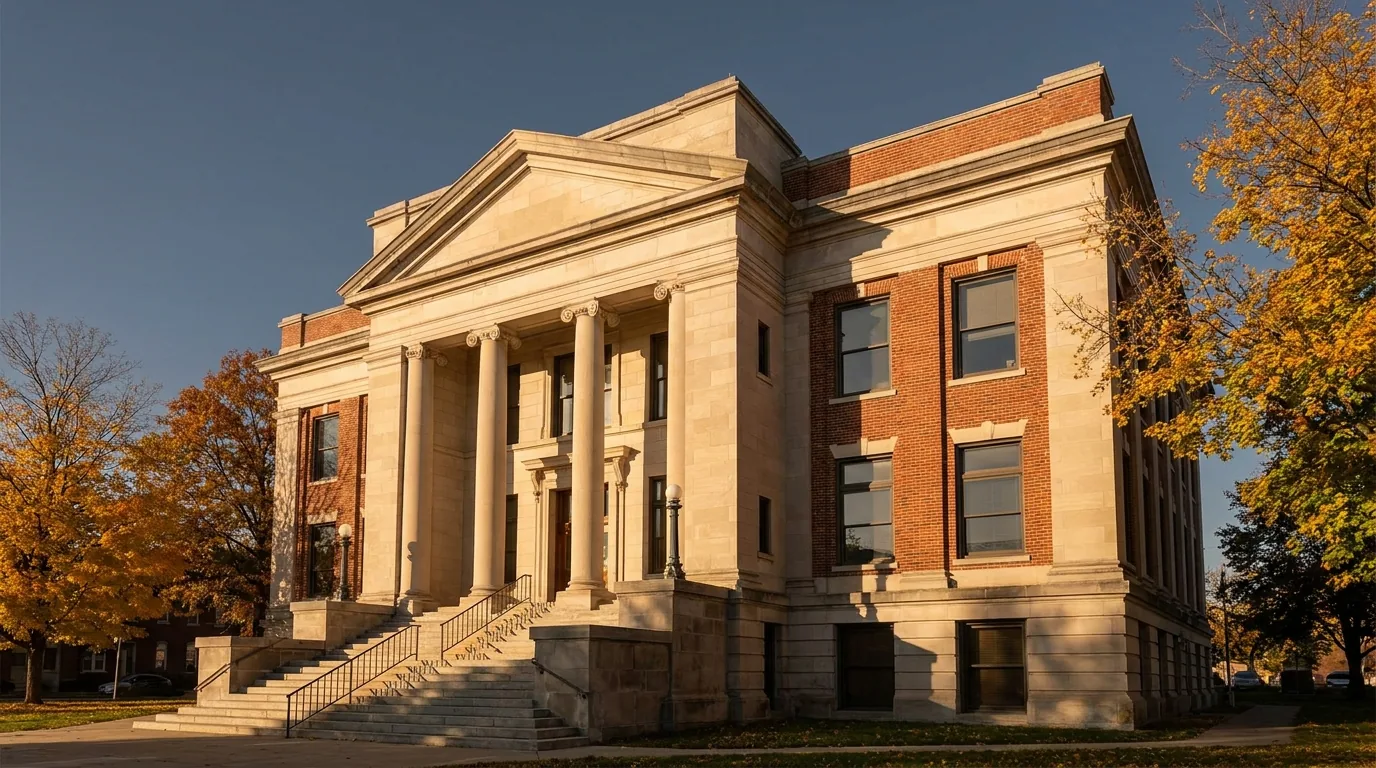
For Akron homeowners, that case lands in the Summit County Court of Common Pleas. The lender files a complaint, you get served, and you have a set time to respond. A judge then enters judgment before the home can be sold at a sheriff sale.[2]
This court path is good news. It builds in delays and gives you several points where you can step in and stop the process. A homeowner who answers the lawsuit and asks for help is in a far stronger position than one who ignores the mail.
Most people who call us are surprised by how much runway Ohio’s court process actually gives them. The folks who lose their homes are rarely the ones who fought. They’re the ones who froze, threw away the notices, and let the deadlines pass.
How Long Does Foreclosure Take in Akron?
Longer than most people expect. Nationwide, homes that completed foreclosure in the fourth quarter of 2025 spent an average of 592 days in the process, according to ATTOM’s year-end report.[3] In Summit County, the court typically enters judgment three to nine months after the lender files.[2]
That timeline is not a guarantee, and it can move faster if you do nothing. But it shows why panic is the wrong response. You usually have months, not days, to put a plan together.
Here is the Ohio foreclosure timeline, stage by stage, with what happens and what you can do at each point. Notice that your options stay open almost all the way to the end.
| Stage | Timing | What happens | Your options |
|---|---|---|---|
| Missed payments | Days 1–120 | You fall behind and late fees build. By law, the lender still can’t file. | Call your servicer; ask about hardship and forbearance options. |
| 120-day mark | After 120 days late | The servicer can send a breach letter and refer the loan to a foreclosure attorney. | Apply for a loan modification; meet a HUD-approved counselor. |
| Lawsuit filed | Day 120+ | The lender files a foreclosure complaint in Summit County Common Pleas Court. | Answer the complaint on time; get legal advice fast. |
| Judgment | ~3–9 months later | The court enters judgment and orders the home sold. | Reinstate the loan, or file Chapter 13 to stop the sale. |
| Sheriff sale | After the order of sale | The home is auctioned online through the Summit County Sheriff. | A bankruptcy automatic stay can still pause the sale. |
| Confirmation | After the sale | The judge confirms the sale and your right to redeem the home ends. | This is the last window; plan your next steps with counsel. |
What Causes Most Foreclosures in Summit County?
Almost every foreclosure traces back to a sudden drop in income or a spike in bills. Ohio felt this broadly in 2025: ATTOM ranked the state 8th worst in the nation for foreclosure activity, with one filing for every 307 housing units.[3] Akron sits inside that pressure.
A job loss is the classic trigger. So is a medical emergency that drains savings and adds debt at the same time. Divorce splits one household budget into two, and a single income often can’t carry a mortgage built for two paychecks.
Loan structure matters too. Homeowners with adjustable-rate mortgages can see their payment jump when the introductory rate ends. A payment that felt fine two years ago suddenly doesn’t fit the budget, and the gap grows month after month.
Then there’s the slow squeeze: credit card balances, car loans, and rising costs that pile up until the mortgage is the bill that gives way. When a home’s value dips below what’s owed, refinancing or selling gets harder, and owners can feel trapped.
The point isn’t to assign blame. It’s to spot the warning signs early. If any of these sound familiar, the next section is the part that matters most.
How Can I Stop Foreclosure in Akron?
You have more tools than you think, and most work best when you use them early. Remember the math: federal law already buys you 120 days before a filing,[1] and Ohio’s court process adds many months on top. Here are seven ways Akron homeowners keep their homes.
1. Call your mortgage servicer first
This is the step people dread and the one that helps most. Tell your servicer you’re struggling and ask what hardship options exist. Many will offer forbearance, a repayment plan, or a path to a modification rather than spend money foreclosing.
2. Ask about a loan modification
A loan modification changes the terms of your existing loan to make the payment fit your budget. It might lower your interest rate, stretch the term, or roll missed payments back into the balance. Ask your servicer how to apply, and submit every document they request on time.
3. Look into refinancing
If you still have decent credit and some equity, refinancing replaces your loan with a new one on better terms. It only helps if the new payment is genuinely lower and the closing costs make sense. Run the numbers before you commit.
4. Work with a free HUD-approved counselor
Akron has nonprofit housing counselors who do this work at no cost. They review your budget, explain your rights, and often call your servicer with you. We cover exactly who to contact in the local-help section below.
5. Build a tight budget and cut what you can
When money is short, your mortgage and core bills come first. Look hard at the spending you can pause, even temporarily, and steer that cash toward the house. Small cuts add up fast when you’re trying to close a payment gap.
6. Check for assistance programs
Ohio’s big pandemic-era program, Save the Dream Ohio, helped nearly 29,000 households but began winding down in 2023 after its funds for future mortgage payments ran out.[5] So don’t count on it today. A HUD counselor can point you to whatever local or county help is currently open.
7. Use bankruptcy to stop a sale and catch up
When a sheriff sale is looming, Chapter 13 bankruptcy is one of the strongest tools available. The moment you file, an automatic stay halts the sale. Chapter 13 then lets you repay your missed payments over three to five years while you stay in the home.
Homeowners often treat bankruptcy as a last resort. In foreclosure, though, timing flips that logic. Filing Chapter 13 a week before a sheriff sale can save the house, while waiting until after the sale is confirmed usually can’t. The tool is only as good as how early you reach for it.
A warning: avoid foreclosure-rescue scams
Desperation attracts predators. Be wary of anyone who guarantees they’ll stop your foreclosure, asks for a large upfront fee, or tells you to sign over your deed. Legitimate HUD counselors are free, and a licensed Ohio attorney will explain your options without high-pressure promises.
How Do I Analyze My Finances Before It’s Too Late?
Before you pick a strategy, you need a clear picture of your money. The longer you wait to look, the fewer options stay open. A short, honest financial review usually takes an afternoon and tells you exactly where you stand.
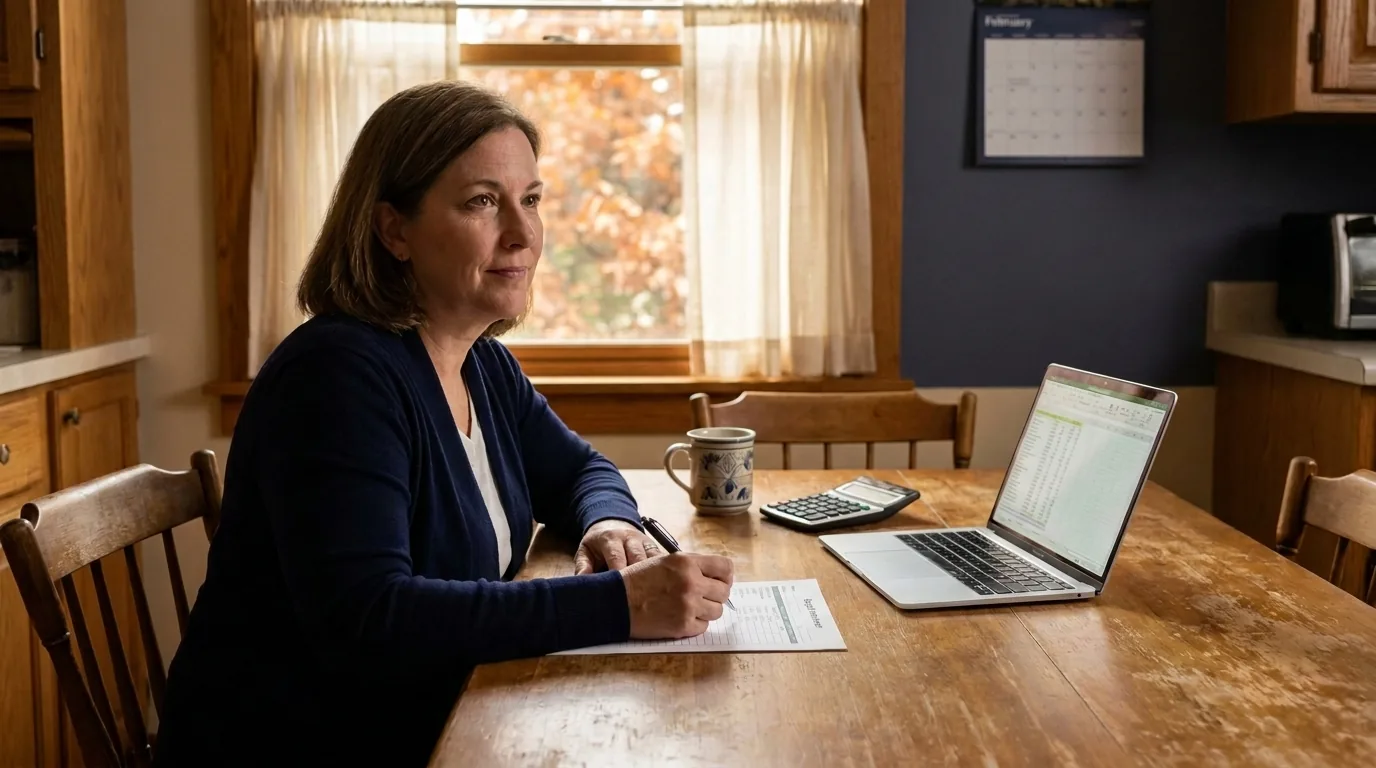
Start by gathering your documents: recent bank statements, pay stubs, tax returns, and your monthly bills. Add up every source of income, then list every expense, from the mortgage and utilities down to groceries and the extras you could cut.
Now compare the two numbers. If your expenses top your income month after month, that gap is the problem you have to close. Look at your other debts too, like credit cards and car loans, since their minimums shape what’s left for the house.
Be proactive, not reactive
Your situation will keep changing, so check these numbers regularly instead of once. Catching a shortfall in month one gives you modifications, counseling, and refinancing. Catching it in month ten may leave only bankruptcy. Early action keeps every door open.
Where Can Akron Homeowners Get Free Help?
You don’t have to figure this out alone, and the best help costs nothing. The federal Consumer Financial Protection Bureau keeps a free tool that lists HUD-approved housing counselors by ZIP code,[6] and Summit County has agencies that do this work every day.

Two local nonprofits stand out for Akron homeowners:
- Fair Housing Contact Service is a HUD-approved agency that provides foreclosure-prevention counseling across Summit, Medina, Portage, and Stark Counties.[7]
- Mustard Seed Development Corporation is a HUD-certified counseling agency that has worked with Akron and Summit County homeowners since 2002.[8]
If a lawsuit has already been filed, your case lives at the Summit County Clerk of Courts, Civil Division, at 205 S. High Street in downtown Akron.[9] That’s also where you’ll file your written answer to the complaint, so don’t miss the deadline printed on your court papers.
For background reading, our own Ultimate Guide to Foreclosure goes deeper on the national process, and our guide to filing bankruptcy and keeping your house in Akron explains how Chapter 13 protects a home.
Talk to an Akron foreclosure attorney before the next deadline.
Richard West has helped Summit County homeowners protect their homes for more than 35 years. If a payment is slipping or a notice just arrived, the earlier we talk, the more options you keep.
Frequently Asked Questions About Ohio Foreclosure
How long does foreclosure take in Ohio?
Can I stop a foreclosure once it starts in Akron?
Does filing bankruptcy stop a Summit County sheriff sale?
How many payments behind before foreclosure can start?
Will foreclosure ruin my credit forever?
Is Save the Dream Ohio still available?
Sources
- Consumer Financial Protection Bureau. 12 CFR § 1024.41 — Loss mitigation procedures (Regulation X). consumerfinance.gov. Retrieved June 2026.
- Summit County Sheriff’s Office. Steps for a Foreclosure action. sheriff.summitoh.net. Retrieved June 2026.
- ATTOM. Year-End 2025 U.S. Foreclosure Market Report. attomdata.com. Retrieved June 2026.
- Experian. How Long Does a Foreclosure Stay on Your Credit Report? experian.com. Retrieved June 2026.
- Ohio Housing Finance Agency. Save the Dream Ohio Winding Down. ohiohome.org. Retrieved June 2026.
- Consumer Financial Protection Bureau. Find a Housing Counselor. consumerfinance.gov. Retrieved June 2026.
- Fair Housing Contact Service. Housing Counseling. fairhousingakron.org. Retrieved June 2026.
- Mustard Seed Development Corporation. Foreclosure Prevention. mustardseedcdc.com. Retrieved June 2026.
- Summit County Clerk of Courts. Legal (Civil) Division, 205 S. High St., Akron, OH. clerkweb.summitoh.net. Retrieved June 2026.
This article is general information about Ohio foreclosure and is not legal advice. Foreclosure rules and assistance programs change, and every situation is different. For advice about your specific case, speak with a licensed Ohio attorney or a HUD-approved housing counselor.